MOGL insights
Half of sellers missed their price last week. That's your room to negotiate.
By Jake Milne, CEO & Lead Buyers Agent, MOGL | MOGL.com.au | Week of 23 July 2026
About half of the homes that went to auction last week didn't sell. The headlines call that a weak market. For a buyer with finance sorted, it means something else. So how do you use it?
What happened at auction
The national clearance rate came in around 48.8% last week. That's up a little on 47.2% the week before. A year ago it was 70.2%.
Melbourne was the strongest capital on early figures at 56.5%. Brisbane cleared 35.9%.
The RBA held the cash rate at 4.35% last month, after three rises this year. The next decision is 11 August, and economists are split on whether there's one more rise to come.
My read: sellers who need to sell are meeting the market. Everyone else is sitting on their hands. If you have finance sorted and plan to hold for six years or more, you have negotiating power you haven't had in years.
One capital isn't following that script, though.
Suburb Spotlight: Baldivis, WA
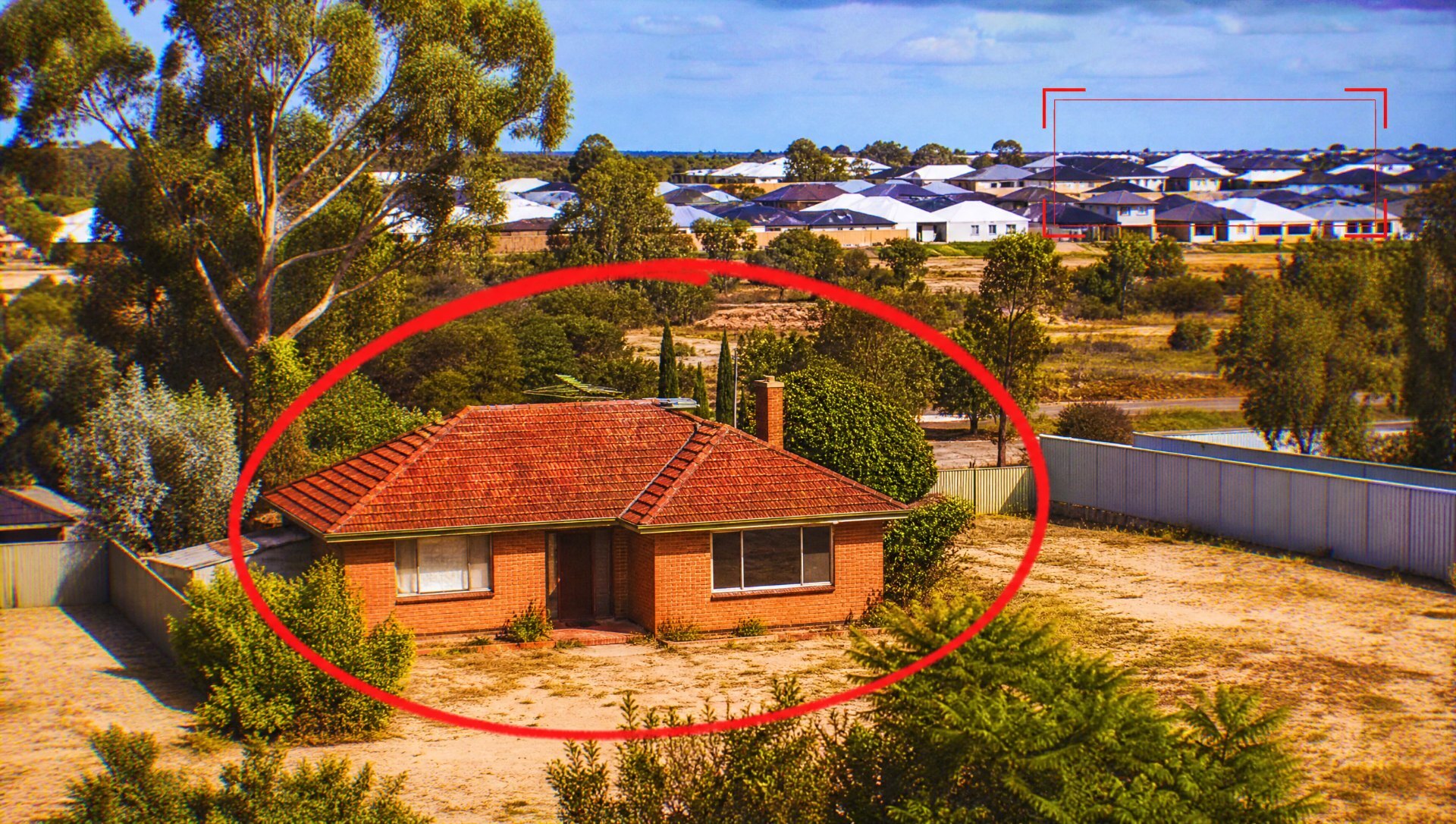
Why it's on the radar: Perth is the only capital still rising while the rest correct. The reason is simple: there aren't enough homes. REIWA has Perth's vacancy rate around 0.7%, which is about as tight as rentals get. Baldivis, about 46km south of the CBD, has ridden that hard.
The numbers:
- Median house price: about $735,000 (some providers say $800,000 or more)
- Rental yield: about 4.2%
- Vacancy rate: about 0.7% across Perth. One provider has Baldivis itself closer to 3.7%.
- 12-month price growth: 9.5% to 18%, depending on the provider
What to watch: Baldivis is an outer suburb with active land estates, and new supply is the enemy of price growth. If I were looking here, I'd want established houses on bigger blocks in the older pockets. I'd skip house-and-land in a new estate. And when the data providers disagree this much, do your own checking before you move.
This is educational analysis, not a property recommendation.
Investor Insight: how to read a clearance rate
The clearance rate is the share of auctions that sold. At 48.8%, roughly half of sellers wanted more than buyers would pay. You can use that.
Three rules I work by:
- Compare with last year. Week-to-week moves are noise. 48.8% against 70.2% a year ago is the real signal.
- Low clearance means sellers are behind. Their price hopes haven't caught up yet. That gap is your room to negotiate.
- Watch the pass-ins. A house that fails at auction often sells within weeks, usually for less than the seller first wanted. Track them.
I can't tell you where the bottom is. Nobody can. Anyone who says otherwise is guessing.
Buying in this market? Test your numbers first
We're still buying selectively for clients, mostly established houses on land where supply is tight. If you want a second set of eyes on a property or your numbers, book a free 15-minute discovery call.
Book a free 15-minute discovery call
Jake Milne | CEO & Lead Buyers Agent, MOGL
MOGL.com.au | jake@mogl.com.au
This article is general in nature and does not constitute licensed real estate, financial or credit advice. Past performance is not a reliable indicator of future results. Talk to your broker and accountant before locking anything in.