MOGL insights
Inflation fell. So why is a rate hike back on the table?
By Jake Milne, CEO & Lead Buyers Agent, MOGL | MOGL.com.au | Week of 27 August 2026
Inflation fell this week. The chance of a September rate hike doubled anyway. So what went wrong?
The number that spooked the market
Inflation eased to 3.5% in the year to July, down from 3.8%. That sounds like progress. But economists expected 3.3%, so it came in hot. The RBA's preferred measure stayed stuck at 3.6%. And housing was the biggest single driver, up 5.0%.
Markets moved fast. The odds of a hike at the 29 September meeting went from about 17% to 36%. The cash rate is 4.35% for now. The talk has shifted from "when's the cut" to "is another rise coming".
Auctions were softer. The national clearance rate fell to 46.7% for the week ending 22 August, from 51.8%. A year ago it was 66.9%. Melbourne led the big cities at 60.2%, with Sydney at 58.1%.
My read: stubborn inflation plus more listings into spring keeps buyers in the stronger seat a while longer. Just don't assume your borrowing costs have stopped moving.
If rates stay high, the rent has to do more of the work. So where does it still stack up?
Suburb Spotlight: Mackay, QLD 4740
Why it's on the radar: Yields in south-east Queensland have dropped below 4%. Mackay still works on cash flow. It services the Bowen Basin coal fields, but health, marine, farming and resources services all employ plenty of people too. Vacancy is about 0.6%, there's very little for sale, and rents grew about 7% over the past year.
The numbers:
- Median house price: about $744,000
- Rental yield: about 4.4% for houses
- Vacancy rate: about 0.6%
- 12-month price growth: about 17%
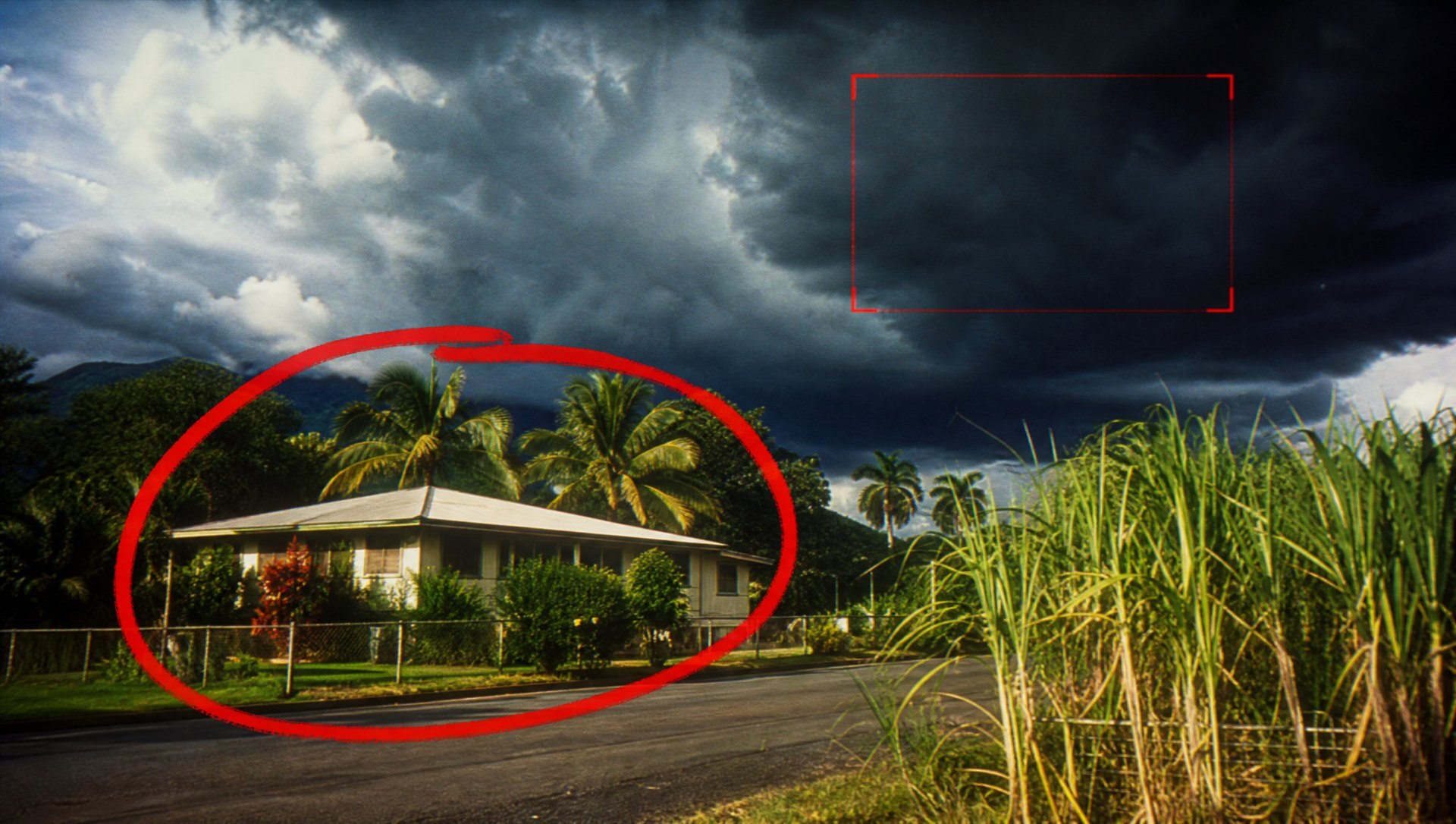
What to watch: That growth number is a warning as much as a selling point. Don't assume 17% repeats. Mackay still leans on coal, so test your plan against a downturn in coal prices. And it's cyclone country. Insurance up there can be triple what you'd pay in Brisbane.
This is educational analysis, not a property recommendation.
Investor Insight: gross yield is the brochure number
Here's a trap I see all the time with regional properties. A $600,000 house renting at $600 a week shows a gross yield of 5.2%. Gross means before costs. It looks great next to a Melbourne property at 3.5%.
Now take off the costs of holding it. Say $3,000 a year in council rates, $2,500 in insurance, $2,200 in management fees, plus repairs. Your 5.2% can land under 3.5% before you've paid a dollar of interest. That's the net yield.
Regional yields are often still ahead after costs. But two properties with the same gross yield can be a full percentage point apart in your pocket.
Before you compare two deals:
- List the yearly costs for each on one page.
- Compare net with net.
Ten minutes of maths beats a year of wondering where the cash went.
Buying in this market? Test your numbers first
This week's inflation figure matters if you're mid-purchase. A hike would trim borrowing power on new applications, and spring listings are weeks away. If you want a second set of eyes on your plan, book a free 15-minute discovery call.
Book a free 15-minute discovery call
Jake Milne | CEO & Lead Buyers Agent, MOGL
MOGL.com.au | jake@mogl.com.au
This article is general in nature and does not constitute licensed real estate, financial or credit advice. Past performance is not a reliable indicator of future results. Talk to your broker and accountant before locking anything in.